
Why Marine Insurance Is No Longer Optional: A Strategic Necessity in Modern Maritime Operations.
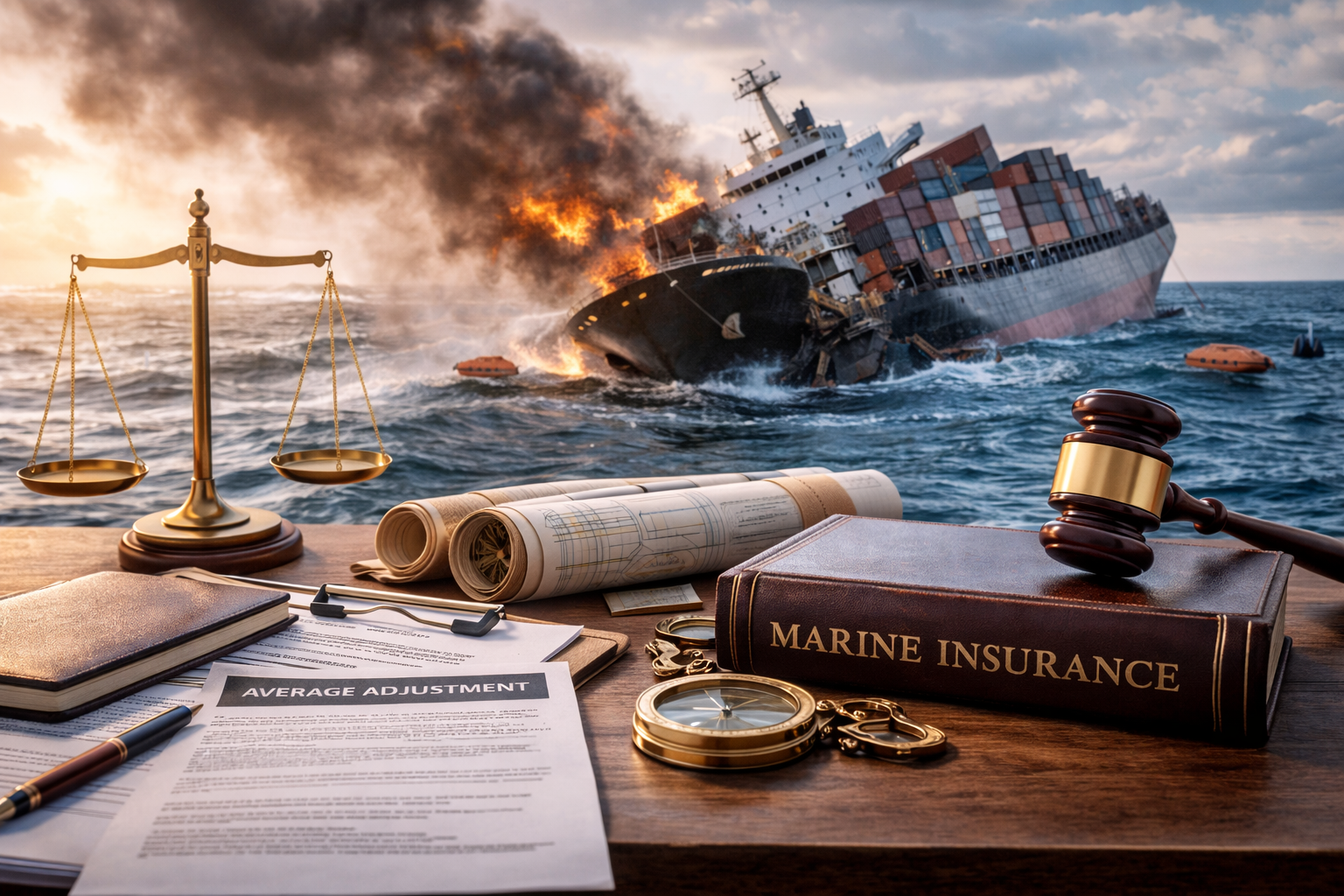
Marine Insurance is a Strategic Necessity in Modern Maritime Operations.
Title: Why Marine Insurance Is Essential in Maritime Operations Meta Description: Explore why marine insurance is critical for managing risks, protecting assets, and ensuring operational continuity in today’s maritime industry.
Slug: why-marine-insurance-is-essential.
1. Introduction: The Real Risk Behind Maritime Operations
Maritime operations are often viewed through a commercial lens of cargo movement, logistics efficiency and global trade.
In theory:
· Risks can be calculated
· Routes can be planned
· Safety measures can be implemented
In practice, maritime operations remain highly unpredictable.
From extreme weather to geopolitical disruptions, the industry operates in a risk environment where a single incident can result in significant financial and operational loss. Particularly now, there is an additional risk of cargoes being impounded and seized by state forces whilst on the high seas. The risks of ships being attacked or seized around the Southern Arabian Peninsula are in the headlines these days but many other shipping risks remain.
Marine insurance is not then just a compliance requirement: It is a strategic safeguard.
2. Maritime Risks Are High-Impact and Unpredictable
Shipping operations face a wide range of risks, including:
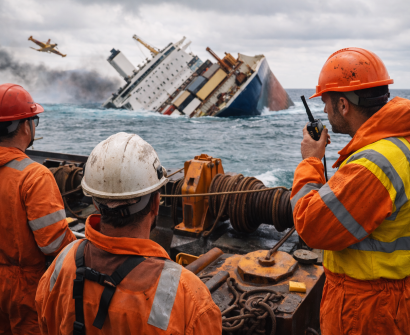
· Vessel damage or total loss
· Cargo damage or theft
· Natural disasters (storms, cyclones)
· Piracy, hijack, impounding at sea and other security threats
· Port delays and accidents
The Challenge:
Even with strong operational controls, these risks cannot be fully eliminated.
The Impact: A single incident can lead to:
· Financial losses
· Supply chain disruption
· Reputational damage
Marine insurance ensures that these risks do not translate into business failure.
3. Financial Protection Extends Beyond Cargo and Vessel
Marine insurance is often misunderstood as being limited to physical assets. In fact, it covers:
· Hull and machinery (vessel)
· Cargo in transit
· Liability (third-party damages)
· Freight and loss of income
The Reality:
Maritime incidents often involve multiple layers of financial exposure. Without insurance:
· Recovery costs can be overwhelming
· Legal liabilities can escalate
· Business continuity is threatened
4. Liability Risks Are Increasing in Complexity
Modern maritime operations involve multiple stakeholders:
· Shipowners
· Charterers
· Cargo owners
· Port authorities
· Governments
This creates complex liability scenarios. Examples include:
· Environmental damage claims
· Collision liabilities
· Crew-related incidents
· Contractual disputes
The Risk:
Legal and compensation costs can exceed the value of the vessel or cargo.
Marine insurance plays a critical role in managing these liabilities.
5. Regulatory and Contractual Requirements Make Insurance Essential
Marine insurance is often embedded in:
· International trade contracts
· Charter party agreements
· Financing arrangements
In many cases:
· Insurance is mandatory
· Specific coverage levels are required
The Consequence:
Operating without adequate insurance can:
· Breach contracts
· Delay shipments
· Restrict access to global markets
5. Insurance Supports Operational Continuity
Beyond financial compensation, marine insurance enables:
· Faster recovery after incidents
· Access to claims support and expertise
· Reduced disruption to operations
The Strategic Value:
Insurance acts as a stability mechanism in uncertain environments. Without it:
· Recovery is slower
· Operational downtime increases
· Business resilience weakens
6. Marine Insurance Is a Strategic Decision: Not Just a Cost
Many organizations view insurance as an expense to minimize. However:
· Underinsurance increases risk exposure
· Poor coverage leads to claim gaps
· Cost-cutting can result in larger losses
The Shift:
Leading operators treat marine insurance as:
· A risk management tool
· A financial protection strategy
· A critical part of operational planning
Key Takeaway: Marine Insurance Is Central to Risk Management
Marine insurance is not just about protection: it is about enabling operations in a high-risk environment. It addresses:
· Financial uncertainty
· Operational disruption
· Legal exposure
Without it, maritime operations become significantly more vulnerable.
Strengthen Expertise in Maritime Risk and Insurance
Understanding marine insurance requires more than basic knowledge. It demands insights into risk management, legal frameworks and operational strategy.
Oxford Knowledge offers executive-level programmes in Maritime Law, Insurance and Shipping, designed to help professionals:
· Understand complex maritime risks
· Navigate insurance frameworks
· Strengthen decision-making in shipping operations Manage financial and legal exposure effectively
As a Certified Member of the CPD Certification Service, Oxford Knowledge delivers globally recognized professional development.
Explore programmes at : www.oxfordknowledge.com