
Energy Security vs Energy Transition: The Global Dilemma.
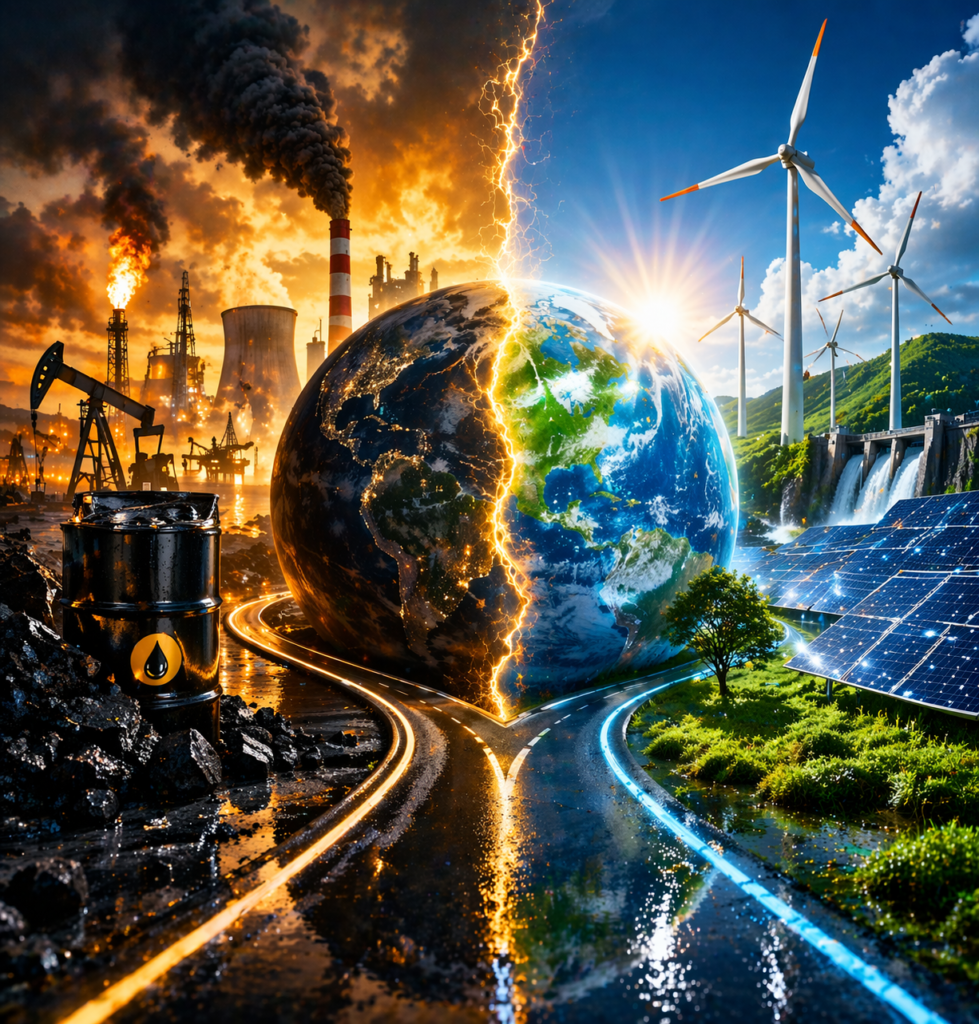
Energy Security vs Energy Transition: The Global Dilemma
Title: Energy Security vs Energy Transition: The Global Dilemma
Meta Description: Explore the growing tension between energy security and the transition to clean energy, and what it means for global strategy and business decisions.
Slug: energy-security-vs-energy-transition
1. Introduction: A Defining Challenge in Global Energy
The global energy landscape is undergoing a fundamental transformation.
In theory:
· Countries can transition smoothly to renewable energy
· Clean energy can replace fossil fuels efficiently
· Sustainability goals can align with economic growth
In practice, the reality is far more complex.
Recent geopolitical tensions, supply disruptions, and rising global demand have exposed vulnerabilities in energy systems. The challenge today is not just transitioning to cleaner energy—but doing so without compromising energy security.
Energy strategy is no longer a technical issue: it is a geopolitical and economic priority.
2. Energy Security Has Re-Emerged as a Critical Priority
Energy security refers to the reliable availability of energy at affordable prices.
Recent developments have highlighted risks such as:
· Supply chain disruptions
· Dependence on limited energy sources
· Volatility in oil and gas markets
· Strategic vulnerabilities in trade routes
The Impact:
Countries are prioritising stability and reliability, often increasing reliance on traditional energy sources to avoid shortages.
This has brought energy security back to the centre of policy and business strategy.
3. The Push for Energy Transition Remains Strong
Despite short-term pressures, the global push toward clean energy continues.
Driven by:
· Climate change commitments (Net Zero targets)
· Regulatory frameworks and carbon policies
· Investor and stakeholder expectations
· Technological advancements in renewables
The Challenge:
Transitioning too quickly without adequate infrastructure or backup systems can lead to:
· Energy shortages
· Increased costs
· Economic instability
4. The Conflict Between Short-Term Needs and Long-Term Goals
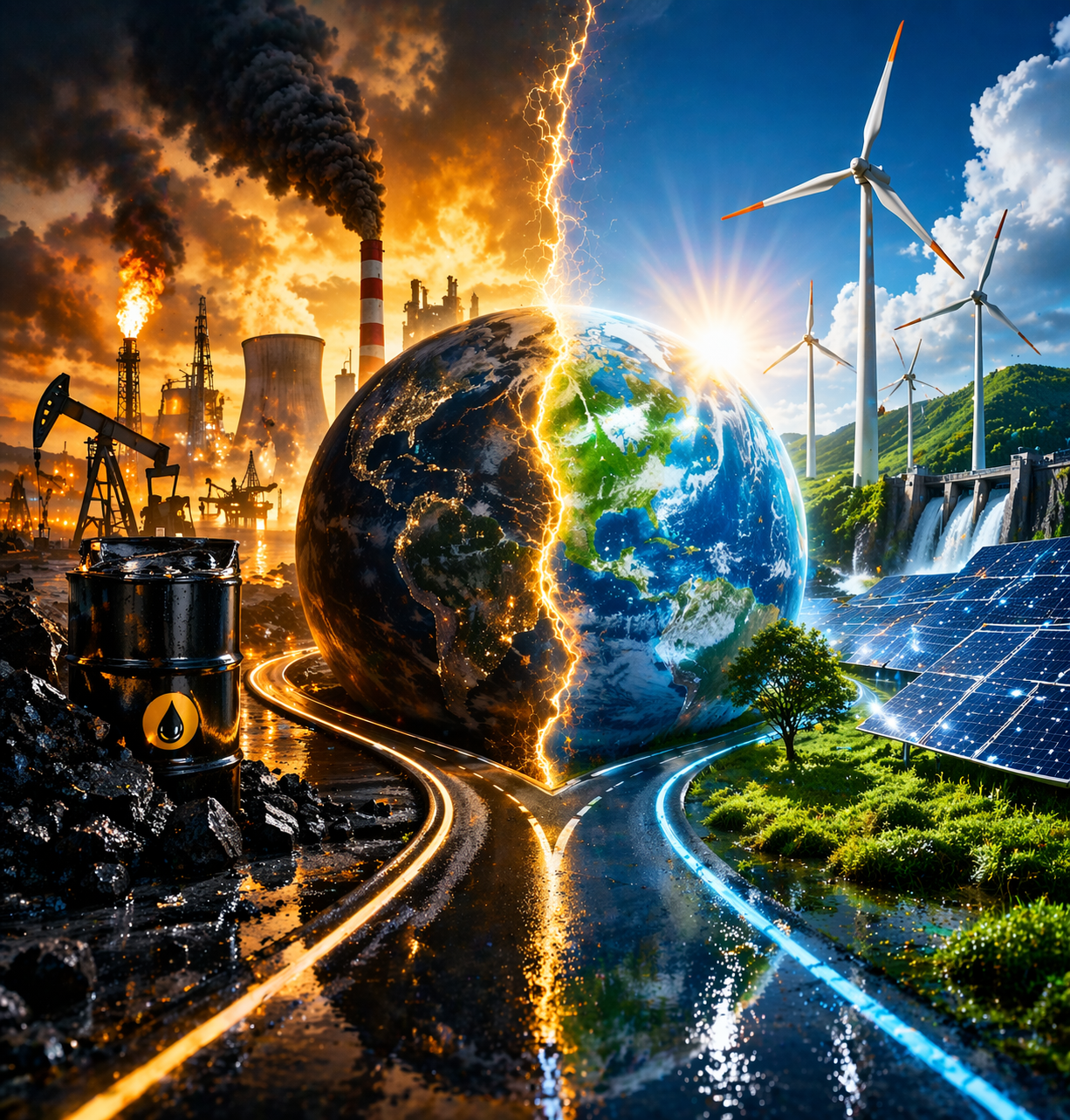
Energy security and energy transition often pull in opposite directions.
For example:
· Increasing fossil fuel production improves supply stability
· But conflicts with emissions reduction targets
· Expanding renewable energy supports sustainability
· But may not yet ensure consistent energy supply
The Reality:
Balancing these competing priorities is one of the most significant challenges facing governments and industries today.
5. Businesses Are Directly Impacted
Energy-intensive industries are particularly affected by this dilemma.
They must navigate:
· Rising and volatile energy costs
· Compliance with sustainability and ESG requirements
· Operational continuity risks
· Changing regulatory environments
The Risk:
Failure to manage these factors effectively can impact profitability, competitiveness, and long-term growth.
6. Technology and Innovation as Enablers
Innovation is key to bridging the gap between energy security and transition.
Key developments include:
· Energy storage technologies
· Smart grids and digital energy systems
· Hydrogen and alternative fuels
· Carbon capture and storage (CCS)
The Opportunity:
Technology can enable a more balanced approach, supporting both reliability and sustainability.
7. A Balanced and Phased Approach Is the Way Forward
The solution lies not in choosing one over the other—but in integration.
A balanced strategy includes:
· Diversifying energy sources
· Investing in both traditional and renewable systems
· Strengthening infrastructure and resilience
· Aligning policy with market realities
The Direction:
Hybrid energy systems will dominate in the near to medium term.
Key Takeaway: Strategy Must Bridge the Divide
Energy security and energy transition are not mutually exclusive—they must coexist.
Success depends on:
· Strategic planning
· Risk-aware decision-making
· Investment in innovation
· Alignment between policy and industry
Organizations that can balance both priorities will be better positioned for long-term resilience.
Strengthen Expertise in Energy Strategy
Understanding global energy challenges requires more than technical knowledge—it demands strategic insight.
Oxford Knowledge offers executive-level programmes in Energy, Oil & Gas, and Sustainability, designed to help professionals:
· Navigate energy market complexities
· Align strategy with transition goals
· Manage geopolitical and market risks
· Make informed, future-ready decisions
As a Certified Member of the CPD Certification Service, Oxford Knowledge delivers globally recognised professional development.
👉 Explore programmes at: www.oxfordknowledge.com