

When Can a Vessel Be Arrested ? 3 Key Triggers Under Admiralty Law.
Introduction: Why Vessel Arrest Matters in Maritime Law
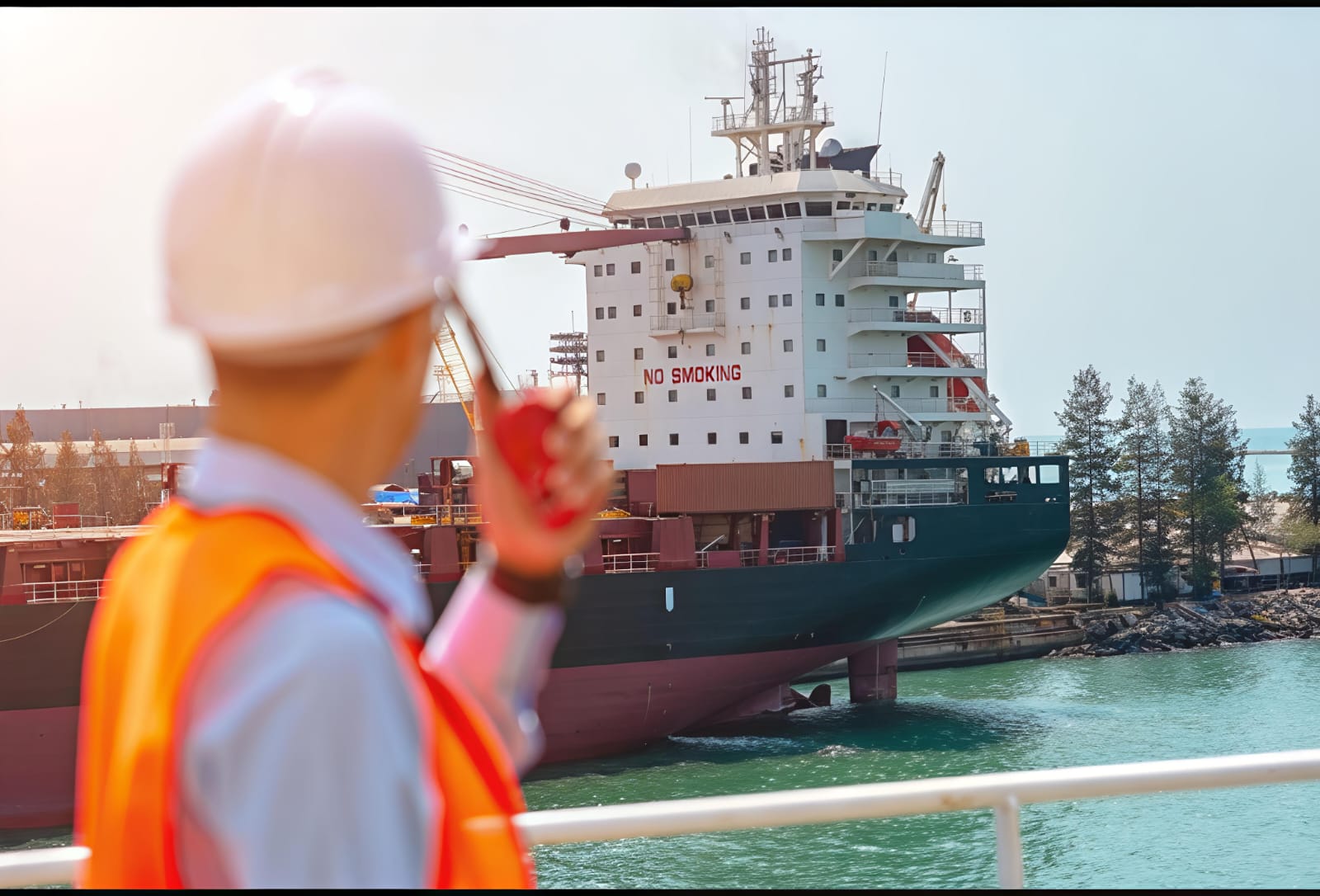
Vessel arrest is one of the most powerful enforcement mechanisms under admiralty law. It allows a claimant to detain a ship often without prior notice — to secure a maritime claim.
For shipowners, charterers, operators, and maritime stakeholders, vessel arrest is not theoretical. It is a practical legal risk that can disrupt operations, delay voyages, and create immediate financial exposure.
Understanding when a vessel can be arrested is essential for managing legal, commercial, and compliance risk in global shipping.
What Is Vessel Arrest?
Vessel arrest is a legal process where a court authorises the detention of a ship as security for a maritime claim.
Key characteristics:
- It is a provisional remedy, not a final judgment
- It can occur before liability is fully established
- The vessel itself becomes the security for the claim
This makes vessel arrest a highly effective enforcement tool in international maritime disputes.
1. Unpaid Maritime Claims (Most Common Trigger)
The most frequent cause of vessel arrest is an unpaid maritime claim.
Typical Claims Include:
- Unpaid crew wages
- Bunkers supplied but not paid for
- Port dues and harbour charges
- Towage and pilotage services
- Damage caused by the vessel
In many jurisdictions, these claims give rise to:
- Maritime liens, or
- Statutory rights of arrest
Why This Matters
The vessel itself becomes the legal security for the debt, regardless of ownership disputes.
Importantly, arrest can proceed even if:
- The claim is contested
- Liability is not yet proven
Courts typically require only a prima facie case, making this a fast and effective remedy.
2. Collision, Damage, and Pollution Incidents
Vessel arrest commonly follows maritime incidents, especially where financial exposure is immediate.
High-Risk Scenarios:
- Ship collisions or allisions
- Damage to port infrastructure
- Cargo loss or damage
- Oil spills or pollution events
Why Arrest Is Used
Claimants may seek arrest to:
- Prevent the vessel from leaving jurisdiction
- Secure compensation for damages
- Protect against uncertainty in liability or quantum
In pollution cases, risk is amplified due to:
- Regulatory enforcement
- Environmental liabilities
- High and uncertain clean-up costs
Operational incidents therefore carry legal and financial consequences beyond immediate damage.
3. Failure to Provide Acceptable Security
In many cases, vessel arrest is avoidable if adequate security is provided.
Common Forms of Security:
- Bank guarantees
- P&I Club letters of undertaking
- Insurance-backed commitments
When Arrest Occurs
Arrest becomes likely when:
- Security is delayed
- Security is disputed or insufficient
- Parties cannot agree on claim value or jurisdiction
In practice, vessel arrest is often the result of failed negotiations, not just the original dispute.
Why Vessel Arrest Is Used So Effectively
Vessel arrest creates immediate commercial pressure.
A detained vessel:
- Cannot trade or generate revenue
- Disrupts charter obligations
- Incurs delay and port costs
This makes arrest one of the fastest ways for claimants to:
- Secure payment
- Force negotiation
- Gain legal leverage
Common Misconception: Arrest Requires a Final Judgment
A critical misunderstanding in maritime operations is the belief that vessel arrest requires a court judgment.
This is incorrect.
Vessel arrest is:
- A pre-judgment remedy
- Based on initial evidence, not final proof
- Designed to secure claims, not resolve them
This is why arrest risk must be managed proactively, not reactively.
Key Takeaway: Vessel Arrest Is a Routine Enforcement Tool
Vessel arrest is not exceptional it is a standard mechanism in maritime law enforcement.
For maritime professionals, understanding arrest triggers helps:
- Reduce operational disruption
- Manage legal exposure
- Respond quickly to disputes
- Protect commercial interests
In admiralty law:
the vessel itself is often the first and most immediate form of security.
Strengthen Governance & Compliance Expertise
Vessel arrest demonstrates how legal rights translate into real-world operational and financial risk.
Oxford Knowledge offers executive-level programmes in Governance & Compliance, designed to help professionals:
- Understand enforcement mechanisms and legal exposure
- Strengthen regulatory compliance frameworks
- Manage cross-border legal risks
- Improve organisational governance and accountability
As a Certified Member of the CPD Certification Service, Oxford Knowledge delivers globally recognised professional development.
Explore programmes at: www.oxfordknowledge.com